Last year I re-discovered my love for movies. Back in high school I went off the radar during one school break and I watched at least 2 movies per night for an entire month. This was in 2015: good times (only when I watched stuff: I was extremely depressed). Movies helped me escape the cruel realities of the world that my mind had created, and also some of the realities of the actual world. Life was dreadful and I wanted nothing more than to escape.
I fell in love with movies so much that I made handwritten lists. I think I still have them somewhere in one of the envelopes in my bottom drawer. Yes, I brought them with me to Germany. I made multiple lists of movies that I wanted to see in the coming years. I was inspired by this incredible list by TimeOut. I believe I’ve seen most of the movies in my lists, but I got lazy once I moved to Germany (p-wording is illegal here). I’ve watched great movies here and there in the last five years, but I haven’t been consistent. The one time I briefly re-discovered this hobby was during the first lockdown in Winter/Spring 2020. I even participated in this video by @LostInFilm. You can hear my voice from 1:51 over a clip from one of my all-time favorites, Before Sunrise.
In 2022, I made it my personal mission to get back into the movies game. I don’t think I’ve succeeded in the way I wanted to, but for the first time in a long time I felt strong emotions when watching a movie. It was the movie CODA, which also won Best Picture at the 2022 Oscars. I simply clicked on it out of curiosity and wasn’t really expecting to love it so much but wow. It’s a story of a teenage girl born into an all-deaf family but only she can hear, and sing quite well. It’s a story about the struggles that deaf people go through just to be able to do basic things like earn a living and on top of that it’s a beautiful story of family love. One moment in particular made me cry because I realized that even though our circumstances as human beings differ, we all share the ability to feel love for others. 5 stars from me. I strongly encourage you to watch this incredible film.
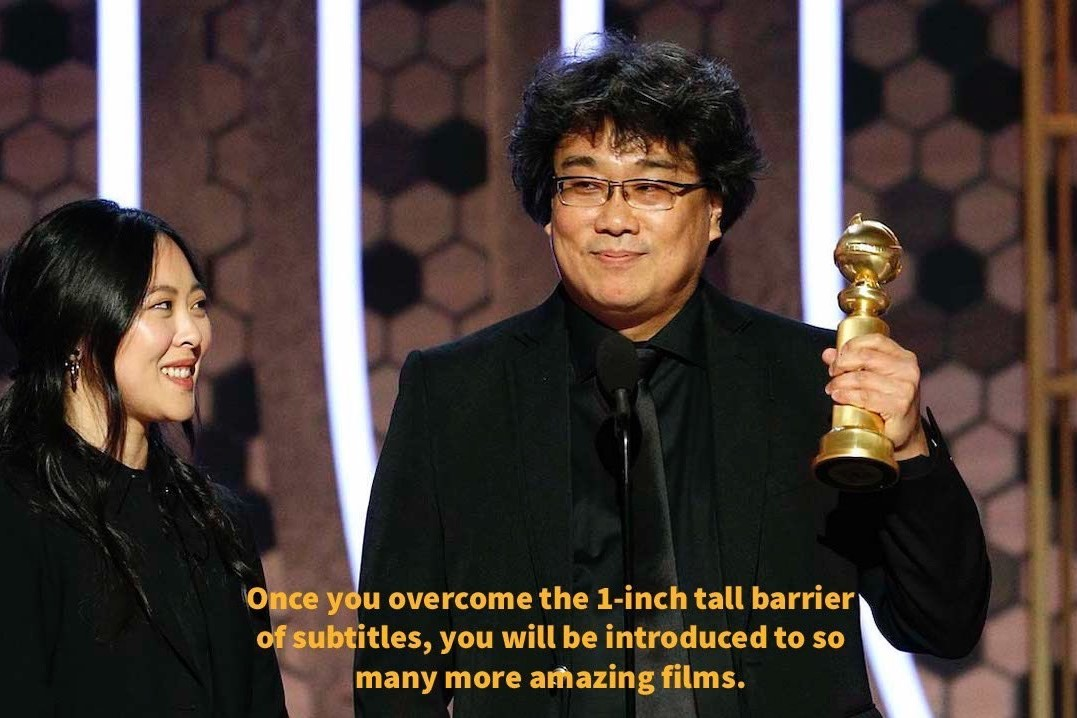
Bong Joon-ho during his acceptance speech for the Best Picture award at the 2020 Oscars.
CODA is just one example of many amazing movies across different genres. Movies are simply a beautiful form of art. I could watch them all day if I had the time. It brings me the same feeling I get when I read a really great book (read An Absolutely Remarkable Thing by Hank Green). I challenge you, dear reader, to watch more movies this year (check out my Letterboxd for some suggestions). Allow yourself to experience new things and possibly get lost on Wikipedia trying to figure out if the actor on your screen is the same one from that other movie from the 90s that you watched more than 7 years ago because they just look so similar. As you look for new realities to experience, also remember that great movies are not exclusive to Hollywood or other Western film industries. There are thousands of stories and beautiful worlds out there that you may never get to know if you’re unwilling to read subtitles. Where do you find these? Start here.
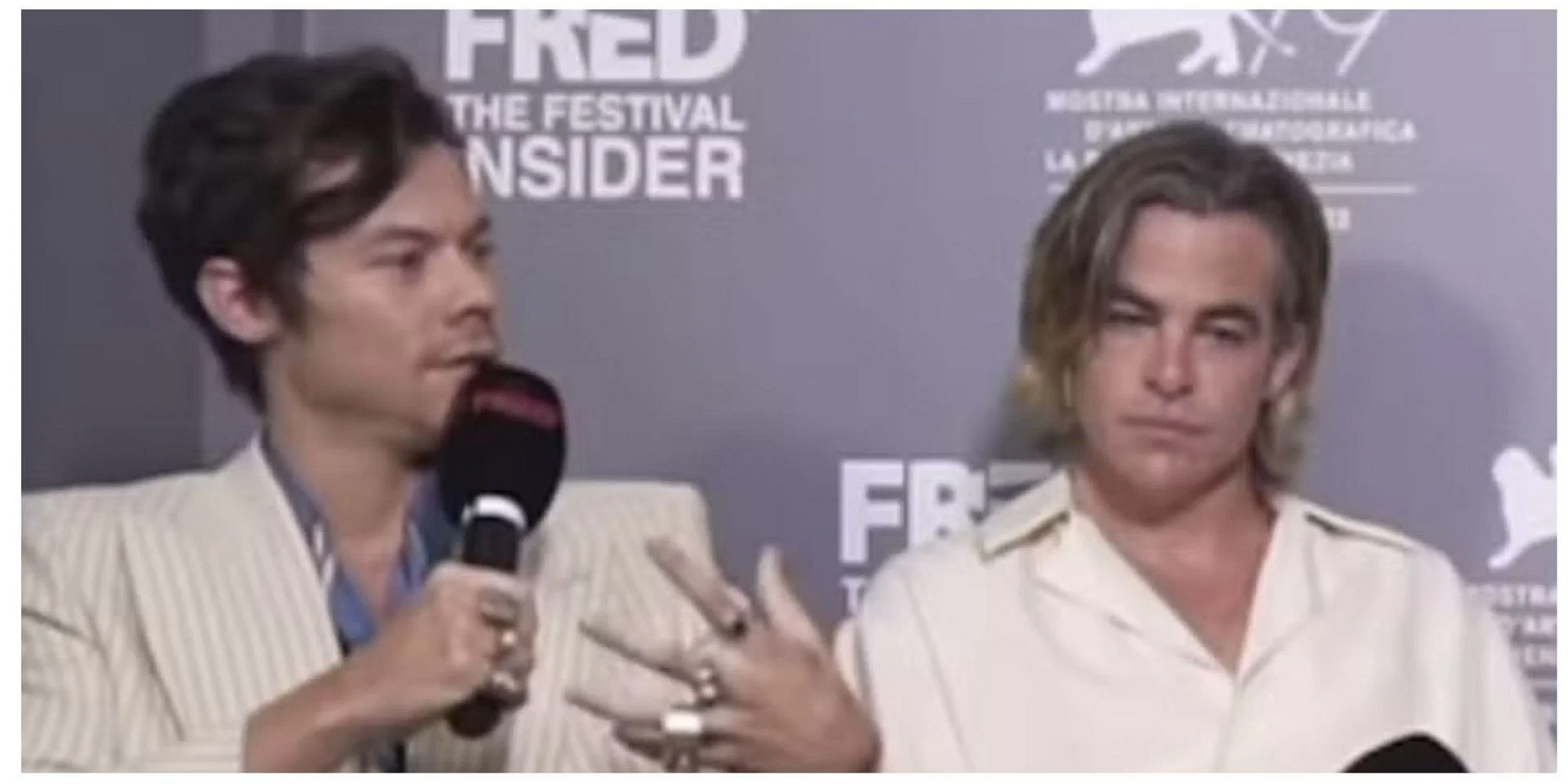
No matter who you are, you must be aware of this new film Don’t Worry Darling directed by Olivia Wilde. Unfortunately, it’s not because of the film itself but because of all the insane drama that has surrounded it since this year’s Venice Film Festival. Some words might ring a bell: Aperol, Miss Flo, #spitgate??
Harry Styles telling a reporter, “my favorite thing about the movie is that it feels like a movie. It feels like a real, like, you know, go to the theater film movie that you know you kind of the reason why you go to watch something on the big screen.”
Harry Styles was right. Don’t Worry Darling really felt like a movie. In fact, I realized it was a real film movie when I was at the cinema watching it. I have to admit that I liked it. I’ve been confused by the negative reviews. It may not be for everyone, but I think, it definitely deserved better. My theory is that some film critics were influenced by the drama that surrounded the film. Or is it misogyny as some claim?
One thing I absolutely loved about this film movie is that it made me angry. Once incel Harry Styles Jack was revealed, I became pissed. Incel Jack made me especially angry because he reminded me of some of the ridiculous men I used to argue with on Twitter. The kind of men who think they know best what a woman needs; any woman, even though these men have nothing going on for themselves. Jack is like that. Alice had what was hers, and he had nothing outside being an internet chatroom moderator. Somehow he felt like he knew what was best for her and that he had the authority to make life-altering decisions for her. We see this happen in many societies around the world where mostly men, and even other women, feel like they can make big decisions for women. We rarely see cases of boys and men being forced into marriage, yet the opposite is very prevalent. This is just like the film itself in which it was mostly the men that brought women into the Victory Project. Who knows who those men were to them: husbands? boyfriends? friends? stalkers? abusers? It’s simply too scary to think about, but unfortunately versions of the Victory Project are a reality to too many, and that makes me pissed.
One thing most of us can agree on is Florence Pugh’s acting. Give her an Oscar. Wow. I only ever saw her in Black Widow so I never paid attention, plus I was distracted while watching that. I’ll be watching her future projects from now on, because I am a fan of that talent. To think that Harry Styles was the best male actor to star alongside her is truly insane. Someone needs to investigate what went on with the casting. I am simply not convinced that he was the best one available. The audience laughed whenever he did his big acting with “emotions” and a raised voice. I am begging Harry Styles to focus on his music.
Don’t Worry Darling shows just how far some men are willing to go to control women. There are men who long to experience a reality where women are submissive, or actually forced to be. Sadly, we don’t even need a film movie to show us this since sexists are quite popular online.
Spoilers warning for the films Parasite and The White Tiger.
This year I had the time, finally, to watch 2019’s critically acclaimed film Parasite by Bong Joon-ho and the 2021 Netflix film The White Tiger by Ramin Bahrani. I told myself I’ll write something here on both and that was in January before my life took a somewhat chaotic and depressing turn. Skipping ahead to this calmer time, I am now ready to share my thoughts about both films.
Please note that this is more of an analysis of the issues that the films present, rather than a review. I never know what to say for reviews, nevertheless, I do like to indicate what I think about films on Letterboxd. I write “indicate” because I normally just rate the film using the star system, unless it was painfully bad, ahem, or a work of art that allowed me to experience heaven-like hallucinations and appreciate my existence. I use “hallucinations” because rats are terrifying and we need to talk about rat propaganda in film, but I‘m saving that topic for another time.
Anyway.
Context
Both Parasite and The White Tiger are set in Asian countries, South Korea and India respectively. This is important to keep in mind when analyzing them. I took it as these films are showing us the not-so-talked-about effects of economic growth in Asian countries that are often spoken of positively in the media and elsewhere. Last I heard, India is one of the fastest-growing economies in the world, and South Korea is one of the success stories in East Asia that went from Japanese occupation (1910-1945) and Korean War (1950-1953) to a highly developed society that is now influencing culture, specifically music (K-pop) and television (K-dramas), among other things, on a global scale like never seen before from a non-western country in the modern age.
As you can imagine, both India and South Korea are pretty big deals to economists. They are often talked about in a positive way. However, these countries’ economic growth comes with a cost to significant chunks of the population that reside in them and this is what both Parasite and The White Tiger show.
Disconnect of the rich
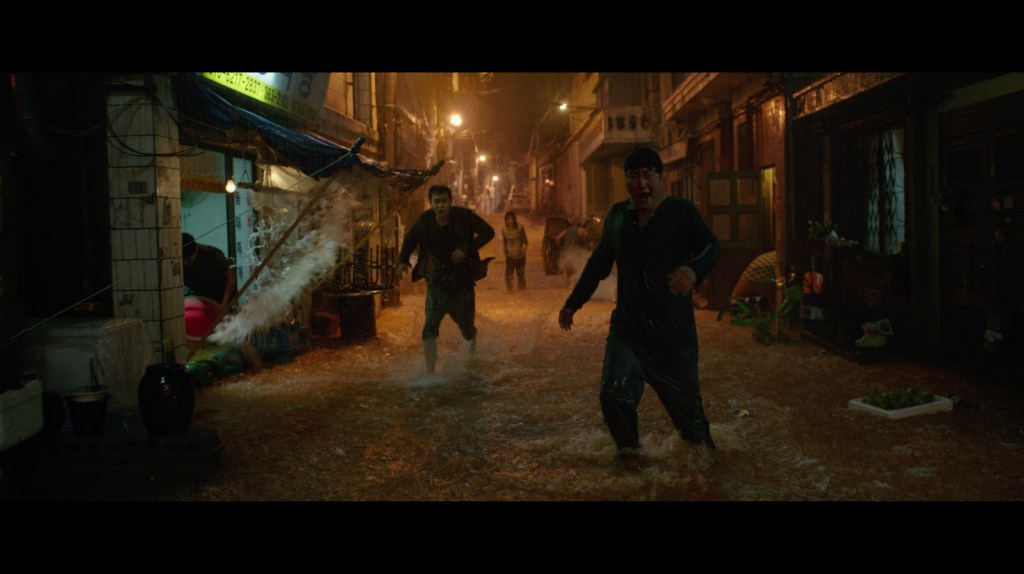
One of the similarities between the two films that struck me the most was Ashok (the rich guy in The White Tiger) telling Balram (the guy working as a servant) “I wish my life was as simple as yours”, and the lady in Parasite saying that the rain was a blessing meanwhile half of the city woke up in Bikini Bottom, including the driver (Ki-taek) that her husband underpays who was in the car with her during this scene.
Thinking of the rich being disconnected from reality reminds me how celebrities last year expressed how hard it was for them to spend time in their multi-million California mansions during the lockdowns. There were literally people dying, sick, homeless, broke because they lost their jobs, and all the above. Read the room???
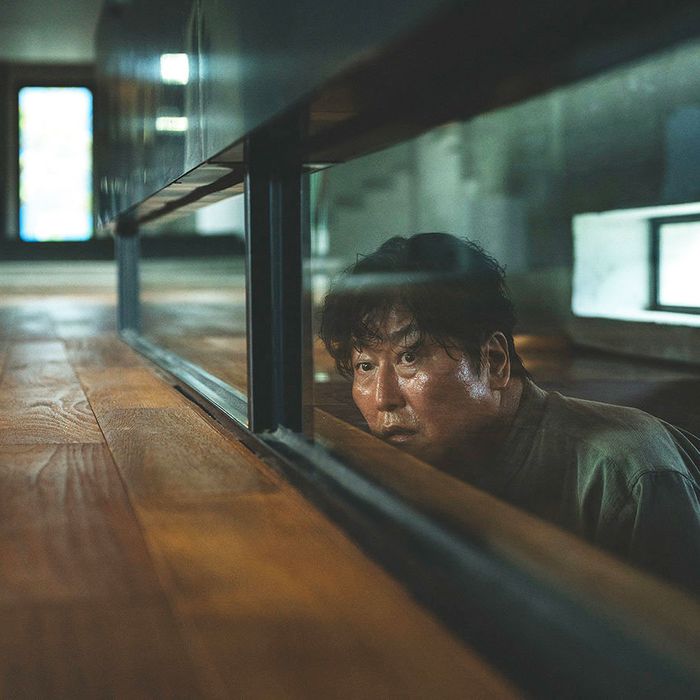
Ki-taek lives in a basement apartment with his family of four. Apparently, these are not so rare in Seoul, South Korea’s capital. Some of them can be fancy but if you live in the slums like he and his family did, chances are that it’s not.
What poverty looks like
Sad, trapped, depressed. Those are just some of the words I think of when I think of people who actually live like the Kim family in Parasite. It must be painful both mentally and physically to live in a developed society like South Korea while you are not at all developed in your life. The system keeps you in check and makes sure you never make it far. Get a job but you will be underpaid – just enough to keep an entire building over your head, literally, and even then you have to do extra work like folding pizza boxes just to keep going.
In The White Tiger, Balram got a job and still slept in the nastiest, unventilated place one could think of. The only way for him to get out was to cheat his way through by murdering someone and stealing. Some analyses of Parasite point out something similar – the Kim family had to lie, cheat and step on others just to get jobs. Tragically, the system punishes those who attempt to do better for themselves: Ki-jung, Ki-taek’s daughter who fits into the “wealthy” life so easily and eventually paid for it with her life.
I read a tweet (as I always do) that said that The White Tiger took a dark turn when Balram murdered Ashok and that this was not pleasant to watch. Disagree. The question is, are we this uncomfortable with seeing the reality of poverty? Why are we okay with the comedy part of The White Tiger where Balram is a laughingstock to us and to himself? He acts “funny” in the first half of the film and makes the viewer think ‘all is well because this poor guy looks happy with his life’, but we are uncomfortable the moment he shows a valid reaction to his situation. Yes, the reaction was dark, but it still happens even in real life. Some people are angry because they are poor and because they have no way of overcoming that. Balram could not do much to get ahead because his family was held hostage, with the threat of them being murdered following every action he took. Views such as these remind us that there is a deep class divide everywhere and it might never be repaired. Balram keeps referring to Ashok’s family as “my masters” even when he is already rich.
The White Tiger is just a small insight into the politics of Indian society as it continues to grow while simultaneously being the second-most populated country in the world. The unspoken message is, there are so many people in the country being exploited and left behind as the economy grows fast. While The White Tiger is simply fiction, it does not take much to uncover similar situations of exploitation in real-life India.
While The White Tiger shows us what the path to a developed capitalist society looks like. The India we see is about people shamelessly exploiting others, including children, and doing whatever is necessary to make it to the top, as how Ashok’s family and Balram did. Parasite shows us what this society looks like once it crosses the invisible finish line. It’s so glittery on the surface, but under this, there are people who are too poor to afford life on ground level.
The title was inspired/taken from the 2017 Oscar-nominated film Loving Vincent, which explores the cause of Dutch painter Vincent van Gogh’s death (sorry to start with a dark note). Loving Vincent is the world’s first fully painted feature film. Yes! PAINTED. I didn’t know much about Vincent van Gogh before watching the film, but in just 95 minutes I fell in love with the artist. In 2018, another great film about Vincent van Gogh was made: At Eternity’s Gate starring Willem Dafoe. Dafoe received an Oscar nomination for Best Actor for his portrayal of Vincent in the film. The film isn’t spectacular just because of Willem Dafoe’s performance; it is the true definition of the drama film genre because I think it can make anyone emotional to see Vincent’s pain, especially when portrayed by a great actor like Willem Dafoe.
Because of both films, I became interested in Vincent van Gogh’s work, his life, and in the process of learning about the latter, I started to feel for him the same way one would feel for a friend. I became curious and I wanted to see his art, and not through my tiny screen. I wanted to see the brush strokes and whatnot.
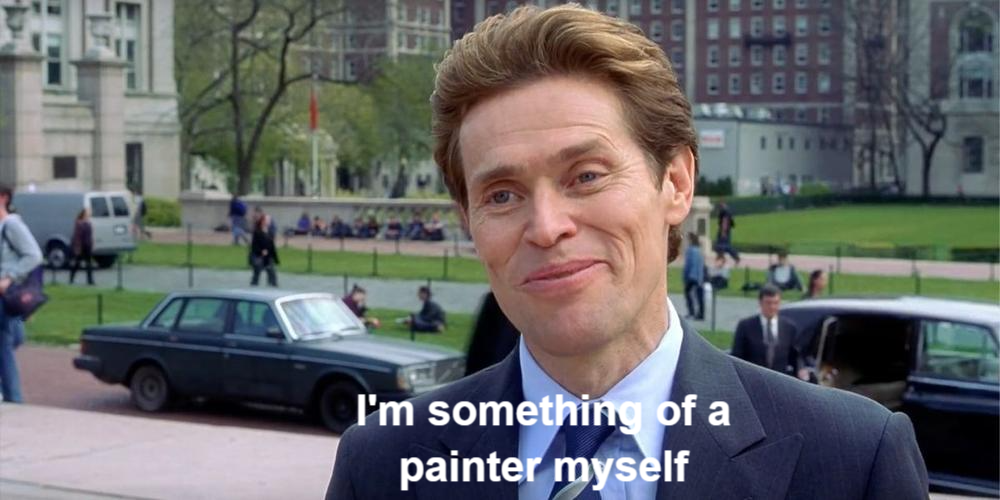
For anyone who doesn’t know, this is Willem Dafoe. The meme originates from Spiderman (2002)
So when I visited Amsterdam in February 2020 (just before the pandemic hit), a trip to the Van Gogh Museum was at the top of the list of things to do. For anyone wondering, entry was quite easy (I guess it wasn’t peak tourism season): I bought the ticket using a machine outside the museum and stayed in line for 5 minutes. There is quite a lot to see in the museum, and a small shop where you can get all the van Gogh goodies; DVDs of both films (if I remember correctly, if not then it was just one of the films I mentioned above), memoirs, children’s books, postcards, and letter collections.
I remembered this when the cashier at the Van Gogh Museum handed me the book I was buying, A Memoir of Vincent van Gogh by Jo van Gogh (his sister-in-law who was married to Theo van Gogh). She told me how Jo is to be credited for making Vincent a world-famous painter after his death. After Vincent’s death and his brother Theo’s death six months after, Jo worked hard to sell Vincent’s paintings, and that’s how The Starry Night painting ended up in the Museum of Modern Art in New York City much to my dismay because I really thought I would get to see it in Amsterdam (insert clown emoji).
From the films and the memoir I can say that Vincent had some form of severe depression, which made life very difficult for him. The man cut off his own ear! He was also unlucky when it came to love. It just didn’t work for him and I hate to believe that that was simply how it was to happen for someone like him. Instead, I tell myself that Vincent only met the wrong people and should he have lived longer, he would’ve found someone who understood him and his fears; someone who would’ve loved him just the way he was: a “failed” painter. Anyway, I don’t want to write much about his life: please read the memoir or watch the films if you’re interested, or have a look at his Wikipedia page and countless of other sources available on the internet.
As always, I pay attention to lines I like in every book I read. So here’s a compilation of my favorite quotes from A Memoir of Vincent van Gogh by Jo van Gogh.
“You think that he is something more than an ordinary human being, but I think it would be much better if he thought himself just an ordinary being.” (written to Theo to describe Vincent)
“At last he had found his work, and his mental equilibrium was restored; he no longer doubted himself, and however difficult or hard his life became, the inner serenity, the conviction of having found his own calling, never deserted him again.” (Jo, about a moment in Vincent’s life)
“Deep in his heart there was such a great longing for sympathy, for kindness and friendship, and though his difficult character generally prevented him from finding this and left him isolated in life, yet he always kept longing for somebody with whom he could live and work.” (Jo)
“Bad connections often arise from a feeling of loneliness, of dissatisfaction.” (words from his father to Vincent)
“It is … so painful for me to speak to people. I am not afraid of it, but I know I make an unfavorable impression.” (Vincent himself)
“And he expressed openly how different his life would have been without his disappointment in love.” (Jo)
“Vincent was not satisfied with all the kindness and craved a deeper understanding of his innermost self than his parents could give, however much they tried.” (Jo)
“Would you believe it … I should be happy to give ten years of my life if I could go on sitting here in front of this picture for a fortnight, with only a crust of dry bread for food?” (Vincent talking about Rembrandt’s painting Jewish Bride, which he saw at the Rijksmuseum)
“Every week something new is a great pleasure to him [Vincent]”
“It is a good thing to be deep in the snow in the winter; in autumn, deep in the yellow leaves, in summer, amid the ripe wheat; in spring, in the grass … always with the mowers and the peasant girls, with a big sky overhead in summer; by the fireside in winter, and to feel that it has always been so and always will be.” (Vincent)
“I have a terrible lucidity at moments, these days when nature is so beautiful, I am not conscious of myself any more, and the picture comes to me as in a dream.” (Vincent)
“It pains me not to be able to do anything for him, but for uncommon people, uncommon remedies are necessary, and I hope these will be found where ordinary people would not look them.” (Theo in a letter about Vincent, to Jo)
“Love of art is not exact; one must call it faith – a faith that maketh martyrs!” (Paul Gachet to Theo about Vincent’s love for art, shortly after Vincent’s death. Gachet was Vincent’s physician during his final days)
“One of his last words was, ‘I wish I could pass away like this’, and his wish was fulfilled. A few moments and all was over. He had found the rest he could not find on earth…” (Theo in a letter to Jo, after Vincent’s death)
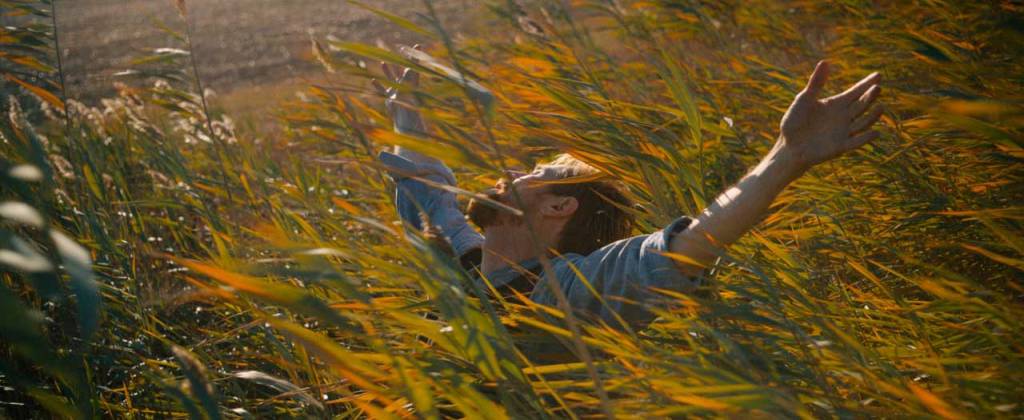
In the memoir, Jo describes a change in Vincent’s work during his last year. She writes, “It was no longer the bouyant, sunny, triumphant work of Arles. There sounded a deeper, sadder tone than the piercing clarion of his symphonies of yellow during the previous year: his palette had become more sober, the harmonies of his pictures had passed into a minor key.” This reminds me of the film At Eternity’s Gate, which uses the “symphonies of yellow” in certain parts, and sometimes, a lot of yellow, like when Vincent is seemingly happy as in the featured image of this article.
I’ll end this with a quote from At Eternity’s Gate describes the journey that Vincent’s work has taken in the period of 100 plus years:
Maybe God made me a painter for people who aren’t born yet.
The Gossip Girl reboot no one asked for is finally here! I wasn’t quite sure I wanted to watch it, I resisted it when it came out, but it turns out I’m a basic bitch who will watch anything on Netflix, the McDonald’s of streaming services, as long as it’s trending on Twitter. I can’t lie, I am happy that I did because Bridgerton has given me something to write about, of course in addition to the pleasure of seeing Lady Whistledown in action. For those who don’t care enough to watch the show, Lady Whistledown is a 19th-century version of Gossip Girl voiced by Julie Andrews (perhaps you should care about that); she’s the show’s one and only source into the scandalous lives of London’s elite.
Like Lady Whistledown, I have things to say even though no one asked. I do enjoy overanalyzing things so this is my moment, I guess (also, I’m unemployed meaning I have a lot of free time).
Maybe I should start with some comments on the casting. I personally love that the cast isn’t entirely white, even though the story is about the lives of London’s elite in the 1810s-1820s, but where are the black women? Where are the black women, Netflix? So many YouTubers and writers have brought this up and yet the same thing happens again and again.
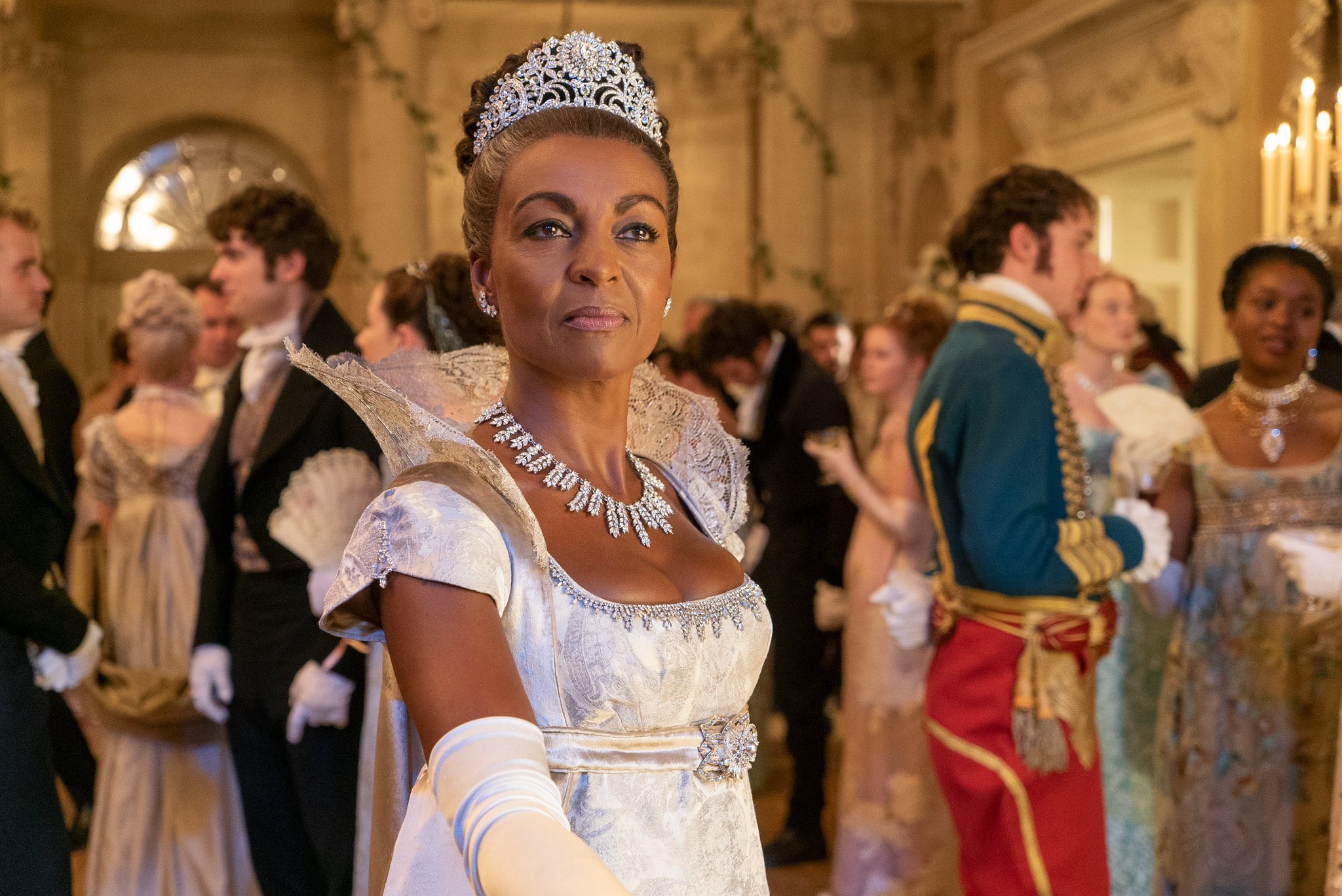
Lady Danbury played by Adjoah Andoh
The entire show has only one woman on the darker end of the spectrum, Lady Danbury (who we stan, by the way). Even though the character of Lady Danbury is absolutely fantastic, she plays into the Black Lady Therapist trope. We’re not told anything about Lady Danbury, but we’re shown numerous times that she exists to make Simon’s life easier. We don’t know anything about her life, her family or how she got her title. Everything she does in this season is directly connected to Simon; meetings with Mrs. Bridgerton to scheme so that Simon and Daphne could end up together, giving Simon words of advice, kicking everyone out of the ball so that Simon and Daphne can spend the night, the list goes on. On top of all that, even the other black women (Madam Delacroix and Marina) have somewhat unfavorable/undesirable characters in comparison to everyone else. Marina’s portrayal as the angry black girl reminds me of Vanessa from the original Gossip Girl. Take that as you will.
I would love to see more darker-skinned black women in the main cast in the following seasons because the colorism is not cute, Netflix. There’s an obvious pattern in Netflix-backed shows, and I think Bridgerton could be an opportunity to begin to end it. It would be refreshing to see a young darker-skinned black woman (who isn’t a prostitute) being courted, getting expensive dresses at Madam Delacroix’s shop, and having enough character depth (that doesn’t play into stereotypes) to make her memorable.
Now let’s talk about Simon. This is the tweet that pushed me to watch the show.
He really needs therapy, and not from Lady Danbury: I’m sure she has a life of her own to live. This man clearly has issues, which we all understand given the nature of his relationship (or lack of) with his father. The way he chooses to fix things by making a ridiculous revenge vow at his father’s deathbed and acting like he doesn’t care about the woman he loves was sad to watch. He is Chuck Bass himself; toxic just like his marriage to Daphne. Alexa play “Ruin My Life” by Zara Larsson. One thing I liked about their marriage was their honeymoon, which could easily count as a Netflix special for Ariana Grande’s positions album. They’re quite something. I’m sure some kid somewhere is working on a video compilation for a fake 34+35 or nasty music video to put on YouTube. I cannot wait to see it.
Daphne’s opposite is Sienna. Born without a title meaning she has to do all kinds of things to make ends meet; be both an opera singer and a sex worker. She even ends things with the man she loves because she respects herself enough not to be treated like anything short of a queen. Sienna and Anthony show us that if you’re going to love someone as you claim then you should love them however they are, and not try to change them so that they’re more presentable for you.
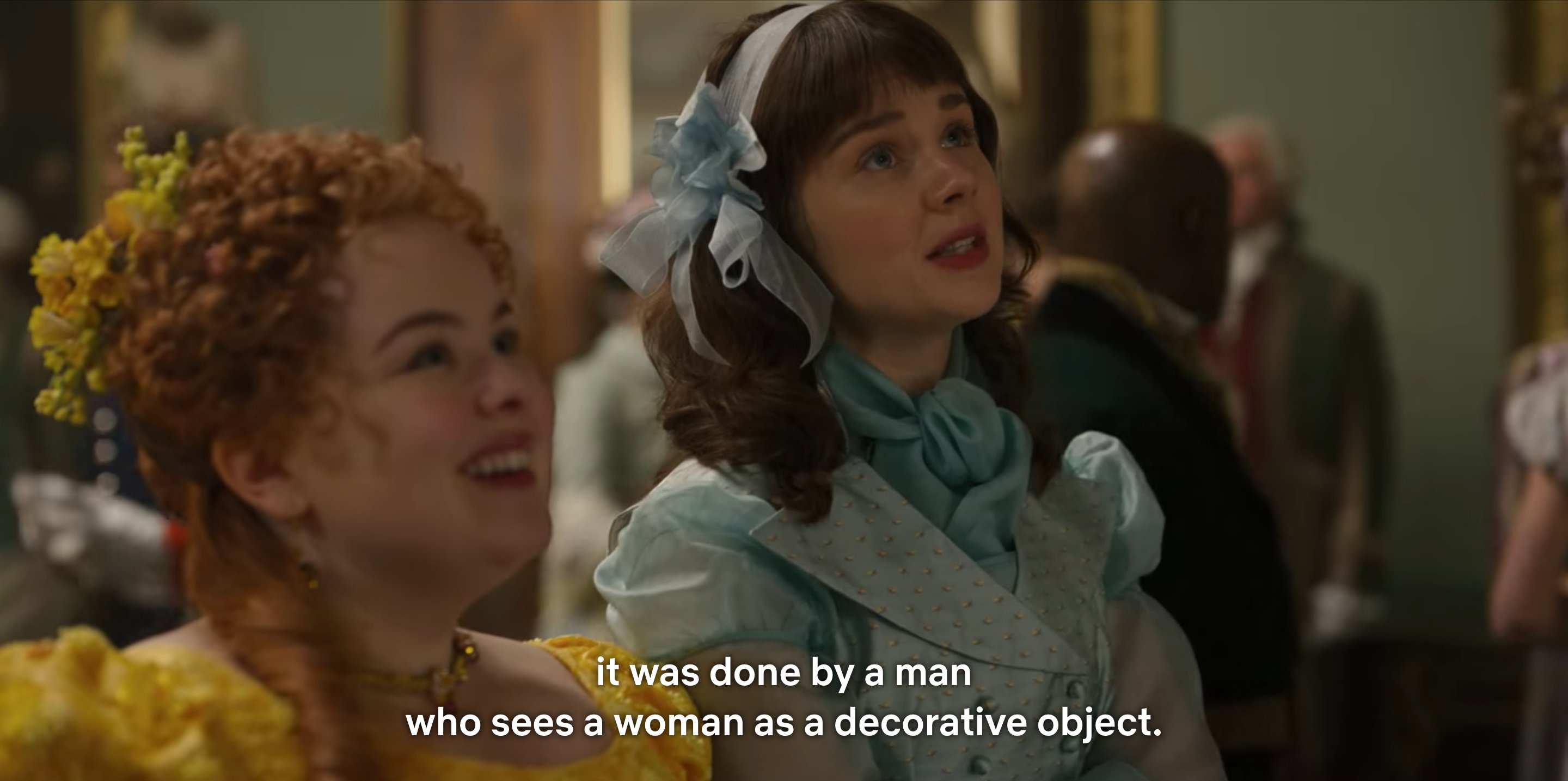
I also just want to say that I love Eloise and I wish I had a voice like hers. I’ve read the tweets calling her annoying and “a one-note character”. They have some truth in them. In a society like the one in Bridgerton, a young feminist character like her is very realistic and relevant. And, as we all know, a lot of the issues women had back then are still faced by hundreds of millions of women today, so we need characters like her to show us how much progress we’ve actually made since the 1800s, or not.
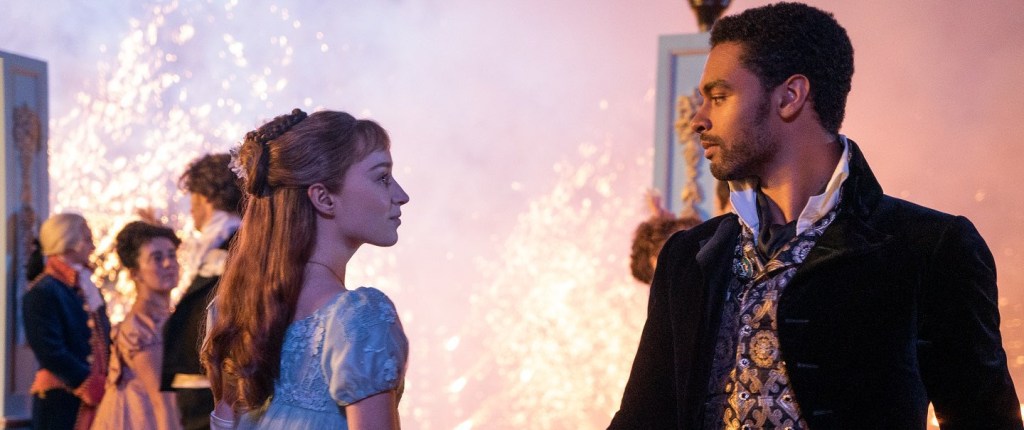
Penelope (left) and Eloise (right)
Lastly, I’m not sure if I should be promoting this show. I’m not getting paid to do that. But, if it means you’ll stay home then please go watch it and anything else you find interesting on Netflix or wherever.

 the writing nib